Hero image — crossbred cows / Southland paddock

Three Way Crossbreeding Programme

The Three Way Cross is a breeding programme that introduces a third breed to existing two-way cross herds here in NZ, most commonly Holstein Friesian x Jersey x Norwegian Red.

Backed by research

Researched at Massey University

A PhD study at Massey University studied NZ’s longest running Three Way Cross herd in Southland, New Zealand and found real improvements in udder conformation, fertility and longevity. Norwegian Red crosses delivered:

Fertility performance
75%vs 67%
Norwegian Red Cross75%
Holstein Friesian67%

75% of cows in-calf in the first 42 days, versus 67% for Holstein Friesian.

Mastitis Cases
6%vs 11.9%
Norwegian Red cross6%
Holstein Friesian11.9%

Almost a 50% drop in mastitis cases, 6% versus 11.9%.

Read the research abstract →

Jerseys & Holsteins are Extreme Opposites

Two breed crossing between Jerseys and Holsteins is good for the first generation but after the first generation, you begin to get a lot of variance and mating season becomes more and more complicated. The result?

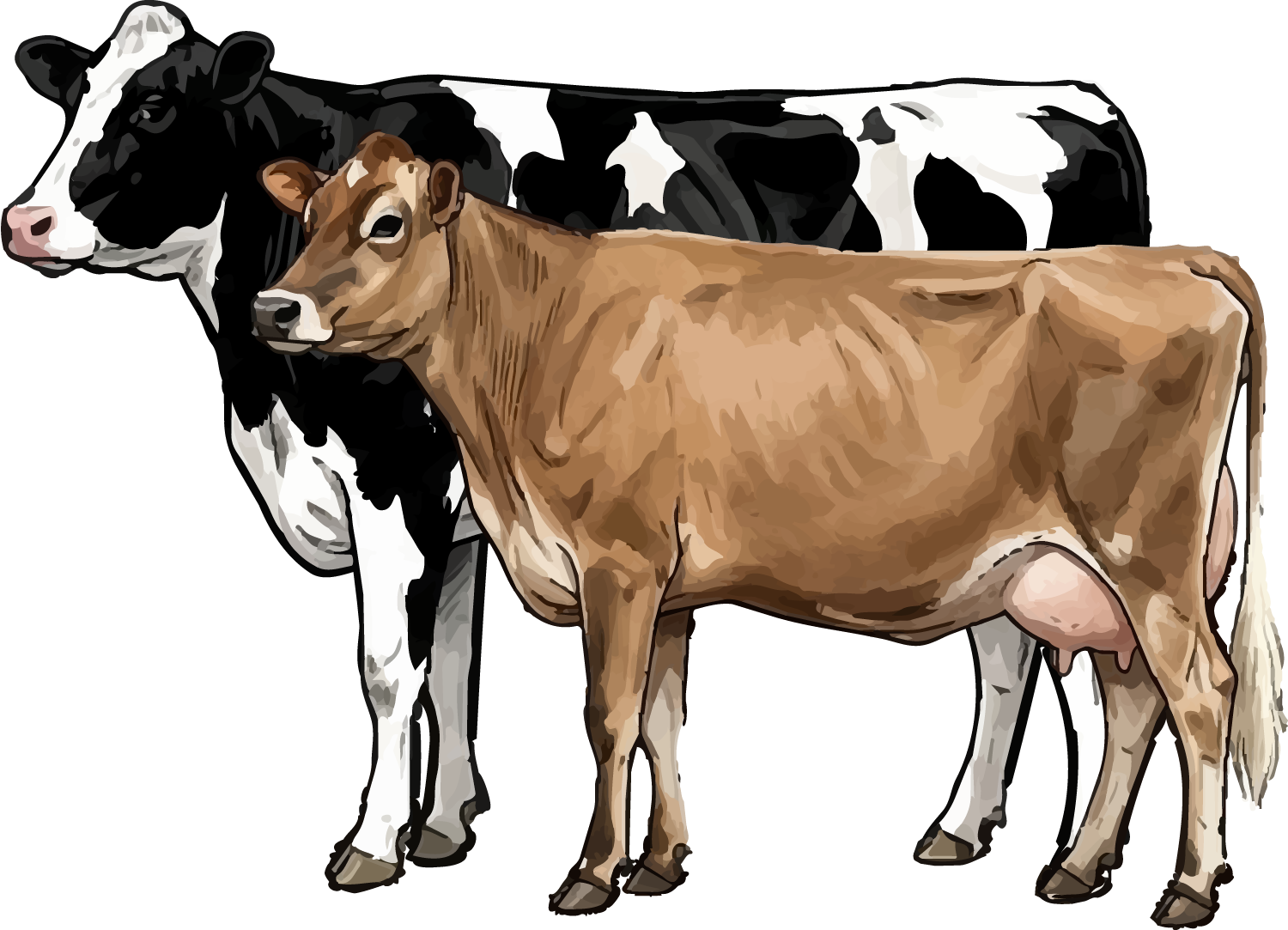
Drawing of two cows, Holstein at the back and jersey in front
Poor udder quality
High somatic cell counts
Poor fertility
Body condition issues
Low calf value
Reduced longevity
A complicated mating season
The solution

A strategic third breed evens out the herd

Adding a strategic third breed evens out the herd, maintains hybrid vigour & simplifies mating season. When adding in a third breed,  you are able to select from a wide variety of high genetic merit sires from a global pool of breeds. Not only does this mean one breed per mating rotation (easy mating season), but you get to introduce incredible traits to further drive your herd’s genetic merit forward.

The mating rotation
1
Holstein Friesian
The high-production base of your crossbred herd
2
Jersey
Strong components, fertility and easy calving
3
Third Breed
VikingRed or Norwegian Red for health, udders & polled genetics
Three Way Cross mating rotation drawing
Choose your third breed

Selecting a breed for your dairy system

There are a number of high-quality options available to New Zealand farmers as a third breed offering Polled Genetics, World Leading Health Traits, High Calf Value, Superior Udders and more.

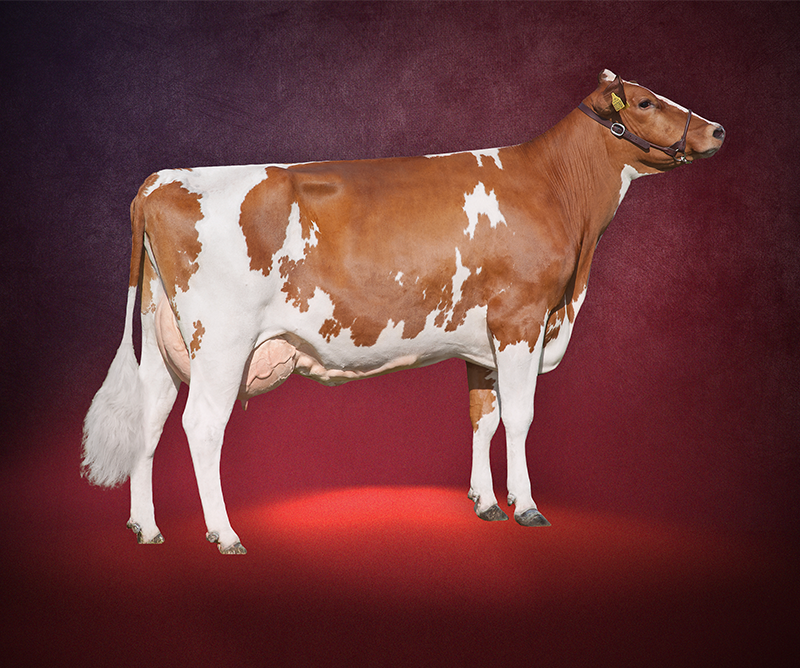
VikingRed Heifer

VikingRed

LongevityHigh healthPolled options

Longevity and health sit very high on the Viking Red’s list of traits. These trouble-free red cows have had their health and production recorded in the Nordic data system since the 1980’s. VikingRed does not only have exceptional health traits but VikingRed’s also have high milk solid production.

Norwegian Red Bull

Norwegian Red

PolledLow antibiotic useFertility

Norwegian Red’s are known to be healthy, easy-going dairy cows. Norway maintains the lowest use of antibiotics in cattle and with over 98% of Norwegian milking cows enrolled in Geno’s comprehensive recording program, you can rely on accurate data. A third of Norwegian Red’s are born polled, giving farmers a large range of genetics to select polled from.

Abondance bull

Abondance

FertilityCalving easeDual purpose

A popular breed in France, Abondance are medium-sized, tough and durable cows with the capability of producing rich milk and meat. Along with their dual-purpose capabilities, Abondance have great fertility and calving ease, making for an easy-going breed.

Normande Bull

Normande

Feed conversionRich milkMarbled beef

Normande are a white and red breed originating from the northwest of France. Normande are great at producing rich milk and marbled beef. Studies have shown that Normande has much higher feed conversion rates than other breeds on the same diet.

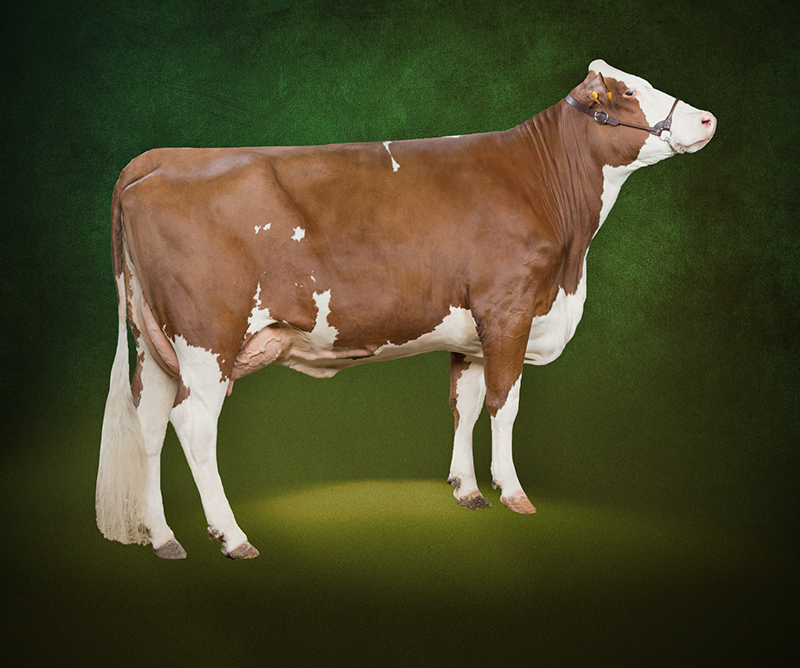
Fleckvieh Heifer

Fleckvieh

Dairy-beefStrong feetEfficient

Fleckvieh are hardy, long-lasting, dairy-beef capable cows. Their medium-sized frames are supported by strong feet and legs, providing a sturdy platform for their long-lasting udders. Fleckvieh are also efficient feed converters with excellent production.

Montbeliarde Heifer

Montbeliarde

LongevityLow cell countHigh fertility

Longevity is a theme in the Montbeliarde breed. A quarter of Montbeliarde make it to 5 or more lactations, proving their lifetime production is something to speak wonders of. Their high fertility helps achieve an impressive success rate in artificial insemination and their very low cell count makes for an easier breed to deal with.

Benefits of a Three Way Crossbreeding Programme

+Superior heterosis
+Diverse pool of breeds
+Simpler mating season
+Improved fertility
+Improved health (Norwegian Red)
+Lower somatic cell counts
+Better udder conformation
+Improved cow longevity
+Higher-value calves
Heterosis TWC Graph

Three Way Cross herds across New Zealand

Farmers across New Zealand have been using the Three Way Cross for over five years. Here's what some of them had to say.

What is a Three Way Cross breeding programme?

Three Way Cross is when you add a third breed into a two-breed herd. Most NZ dairy farmers run Holstein Friesian and Jersey, so the third breed might be VikingRed, Norwegian Red, Fleckvieh, Normande or Montbeliarde. Adding that third breed brings hybrid vigour back into your herd, evens out cow variation, and keeps mating simple with one breed per year.

What research has been conducted in NZ on Three Way Cross?

Research in NZ involving Massey University, Lincoln University and Agresearch shows:

Study 1: AgResearch and Lincoln University looked at Scandinavian Red-sired cows in six pasture-based NZ herds. The study found that Scandinavian Red-sired cows had lower somatic cell score compared with Friesian and Jersey-sired cows, with no significant reduction in milk solids yield. Red genetics can help improve udder health without giving up milk solids.  

Study 2: Other Lincoln University research has also looked at Norwegian Red as a dual-purpose option, showing competitive milk solids performance and added beef value from surplus calves.  

Study 3: Massey University tracked NZ's longest running Three Way Cross herd in Southland. The NZ data showed Red crosses had similar persistency and somatic cell score compared with traditional NZ breed groups. The thesis also reviewed international pasture-based research showing Red crosses can improve fertility and reduce mastitis, including Irish results reporting 75% vs 67% 42-day in-calf rate and 6.0% vs 11.9% mastitis.

Which third breed is best for NZ dairy farmers?

The right third breed depends on your farming system. VikingRed and Norwegian Red are the most popular in NZ for their health traits, polled genetics, and data accuracy, but a range of other breeds are available to suit different operations. Samen NZ recommends a discovery session to match the right breed and traits to your system.

When should I consider Fleckvieh, Montbeliarde or Normande?

They are different tools for different farms. Fleckvieh can be useful where farmers want to protect milk solids while also lifting calf value. The key is to select first for protein kg and fat kg, then add beef traits such as growth, meat index and dressing percentage where they fit the goal.

Montbeliarde and Normande can also be considered where farmers want more strength, capacity and outcross value.  

How does the Three Way Cross mating rotation work?

Year one: Holstein Friesian sires.  
Year two: Jersey sires.  
Year three: third breed sires (e.g. VikingRed).  
The rotation repeats, meaning each cow is always mated to a different breed, whilst maintaining hybrid vigour with minimal mating complexity.

Is the Three Way Cross suitable for all NZ dairy systems?

Yes. Three Way Cross can suit many NZ dairy systems, especially where farmers want to improve fertility, udder health, cow condition, durability, calf value or long-term herd efficiency.

Samen NZ has reps across the North and South Island. A discovery session assesses your current herd composition and recommends the most suitable third breed and rotation strategy.

Will I lose production with a Three Way Cross?

No. Our data suggest that production in all breeds under the Three Way Cross system are similar.

The aim of a Three Way Cross programme is to keep strong milk solids while adding fertility, udder health, cow condition, durability and outcross value.  

Farmer / cow background image
Ready when you are

Book a Three Way Cross discovery session

Simplify your mating and breed the crossbred herd you deserve today with Samen’s Three Way Cross breeding program.  

During a Three Way Cross discovery session, you can explore different scenarios and outcomes for your herd. Find which third breed will benefit your farming system most.